Highland Therapies
Reiki Training


Reiki
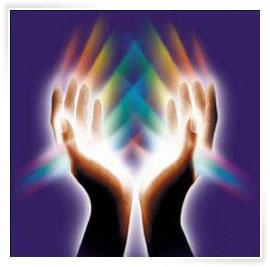
Reiki (pronounced ray-key) is now widely known as an energy healing system that originated in Japan.
It comes from two Japanese words - Rei and Ki - and is usually translated as meaning 'universal life-force energy', or 'soul energy'.
 The traditional system of Reiki was developed in the early 1900's by Mikao Usui, who brought together elements from his own training and experience of working with energy.
Developing a regular personal practice with Usui's system promotes harmony and balance on all levels - mind, body and spirit - and natural healing from within.
Working with Reiki becomes a way of living, a complete system for personal & spiritual development and self-healing.
It helps us to stay calm and centred through life's challenges.
We can use Reiki to help others as well as ourselves, and it has become well-known as a hands-on healing method. Reiki energy is deeply relaxing and comforting to give and receive, and is a wonderful thing to have in the family.
We can share it with our loved ones at any stage of life. It's safe for people of all ages, including children, frail and elderly people, and also during pregnancy.
Animals and plants can also benefit from it.
Reiki can be adapted for any health condition and can be used effectively alongside orthodox healthcare. It's now being used in various
settings, including hospitals, hospices, cancer support centres, and in post-operative recovery. Many people find it helps to relieve pain.
Reiki is not connected with any religious practice; it's used by a wide variety of people with different beliefs, and also by people who have no
particular beliefs.
Since the time of Mikao Usui the practice of Reiki has spread around the world and developed in different ways. There are various styles of Reiki and
ways of teaching it. Details of what I teach are shown on the Reiki Courses page.